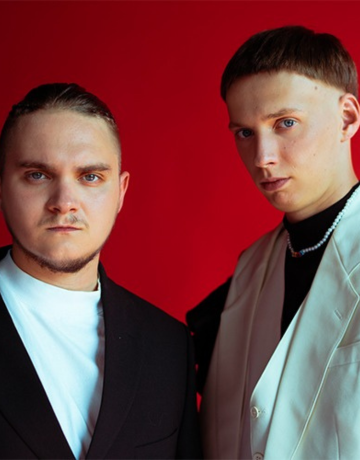
Pavel Gudimov
Pavlo Volodymyrovych Gudimov
Date of birth – October 12, 1973
City – Lviv (Ukraine)
Activity – musician, vocalist
Language – Ukrainian
Genre – pop rock
The history of the artist's formation
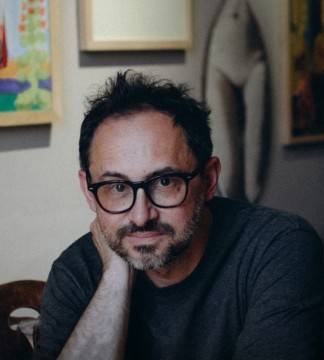
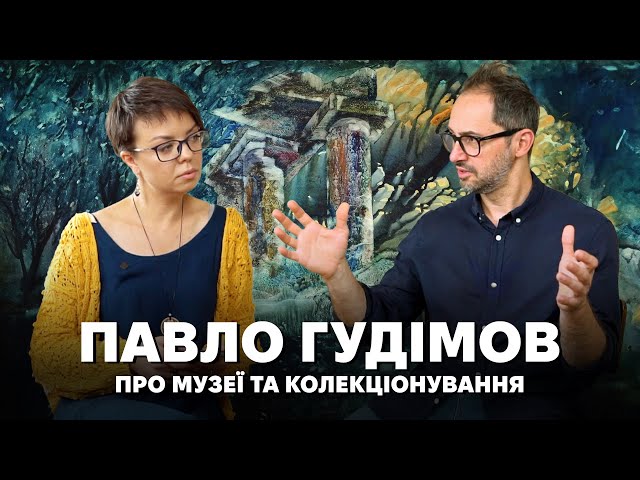
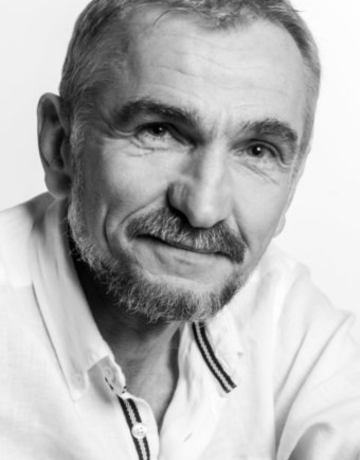
Pavlo Gudimov is a Ukrainian musician, art collector, art manager, founder and curator of the art center "I am the Gallery", leader of the musical group Gudimov, in the past - guitarist of the popular rock band Okean Elzy. A native of Lviv, the talented figure lives and works in Kyiv. In modern Ukrainian art, Pavlo is considered a visionary. And the artist himself calls freedom and will the most important ingredients of culture.
Pavlo was surrounded by various elements of creativity since childhood. This was influenced by the profession of his mother, who worked as an engineer-architect. His grandfather was the chief architect at the Lviv Railway and an amateur photographer. In his childhood, the boy was surrounded by bright images and fragments, works of art and old photographs. The family home was constantly replenished with new art objects, among which the style and tastes of the future star of the stage and art connoisseur were formed.
Pavlo notes that in his childhood he was not overloaded with additional classes in clubs. After all, it is very important for a child to have time for himself. The family was not wealthy, but the parents were able to instill in their son a sense of beauty, to reveal all the colors of the world of creativity. Pavlo's attraction to music also developed under the influence of his family. The boy's first guitar was a gift from his grandfather. The young man was also interested in his stepfather's rich music library. Some time will pass, and the boy will buy himself a rare instrument in New York, which will be one of a kind, the one played by Ron Wood from the legendary Rolling Stones - a 1953 Fender.
The higher education that Pavlo Gudimov received had nothing to do with the music industry. In 1996, the future star of the stage graduated from the Ukrainian State Forestry University, receiving a diploma in the field of "Landscaping". However, already during his student years, Pavlo began to be interested in and engage in music.
Creative path
The beginning of the 90s in Ukraine was marked by bright changes in the world of creativity. The air was filled with the spirit of freedom. Concerts, festivals, new groups, the emergence of progressive and ambitious producers and original performers - all this symbolized the processes of transformation in society. The demand for something new and extraordinary was also among the listening audience, which in Pavlo's native Lviv was especially active and demanding. From 1992 to 1994, Gudimov was a member of the group Klan Tyshi. The group, which did not include a single professional musician, played in the genre of depressive art rock. In 1994, vocalist Andriy Golyak left the group. Instead, 18-year-old student Svyatoslav Vakarchuk joined the core of the group. Klan Tyshi ceased to exist and a group was formed that would soon give rock fans dozens of hits, successful singles and albums - Okean Elzy.
Musician's style and development
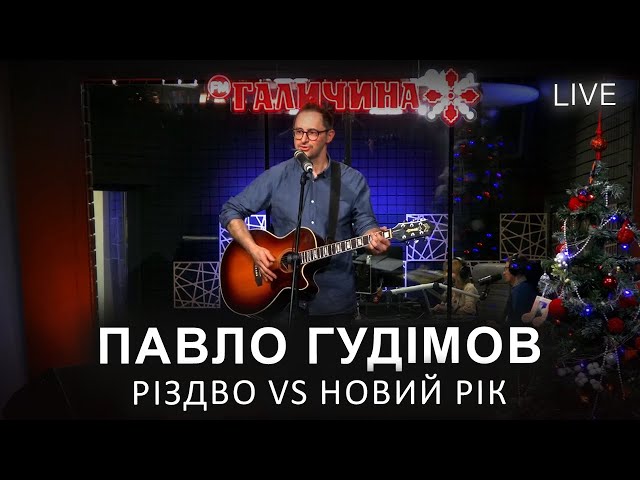
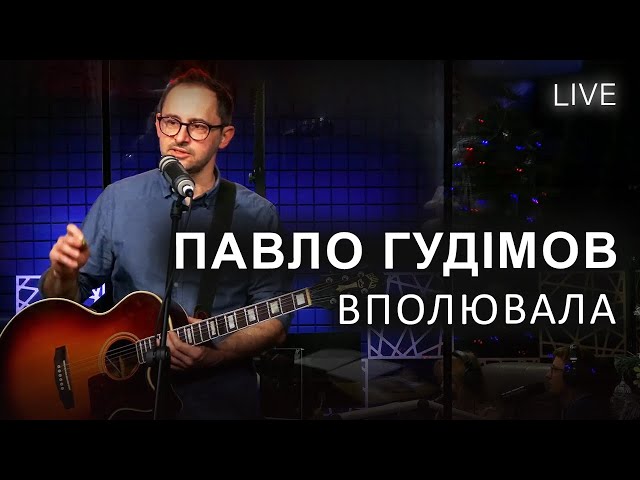
In 2005, Pavlo Gudimov stopped working with OE and founded his own band Gudimov. Other members of the band were bass guitarist Denis Levchenko and drummer Slava Vasiliev. The musicians' work included elements of funk, disco, soul, and electro. The main style was defined as pop-rock. The result of the team's work was the albums "Trampliny" (2005) and "Monopoly" (2007). In 2010, the first single for the next album "Zhovtyy" was released. In addition to two releases, the band released 7 video clips. The clip for the song "Korotka rozmova" was included in the Guinness Book of Records. The work was distinguished by record-breaking fast shooting: the video was shot, edited, and shown on the M1 TV channel in just 3 hours and 28 minutes. In 2007, Pavlo Gudimov held a competition for young directors. One of the participants shot a video clip for the song "Basta". The work became one of the most frank Ukrainian clips. All 3 minutes were a love scene.
Social activity
Being active in art management and collecting various art objects, Pavlo Gudimov does a lot for the revival and global recognition of Ukrainian culture. Numerous art projects, festivals, exhibitions and events, in which Pavlo acts as a founder or participant, are designed to activate the implementation of the right cultural policy. It should be aimed at forming a dream country, which for Pavlo Gudimov is defined simply: "a cultural country."
Video clips of the band Gudimov:
- "Short conversation";
- "Not politics";
- "Communication";
- "I miss you";
- "In the Spring";
- "Basta" are the others.